

Experience the beauty and culture of Vienna
Renowned as the “City of Waltzes,” Austria’s capital inspires visitors with its deep musical traditions, exceptional museums and historic architecture. Read on to learn more about Vienna's landmarks, uncover the history of an iconic dessert and delve into the lives of some of the city’s most beloved figures.
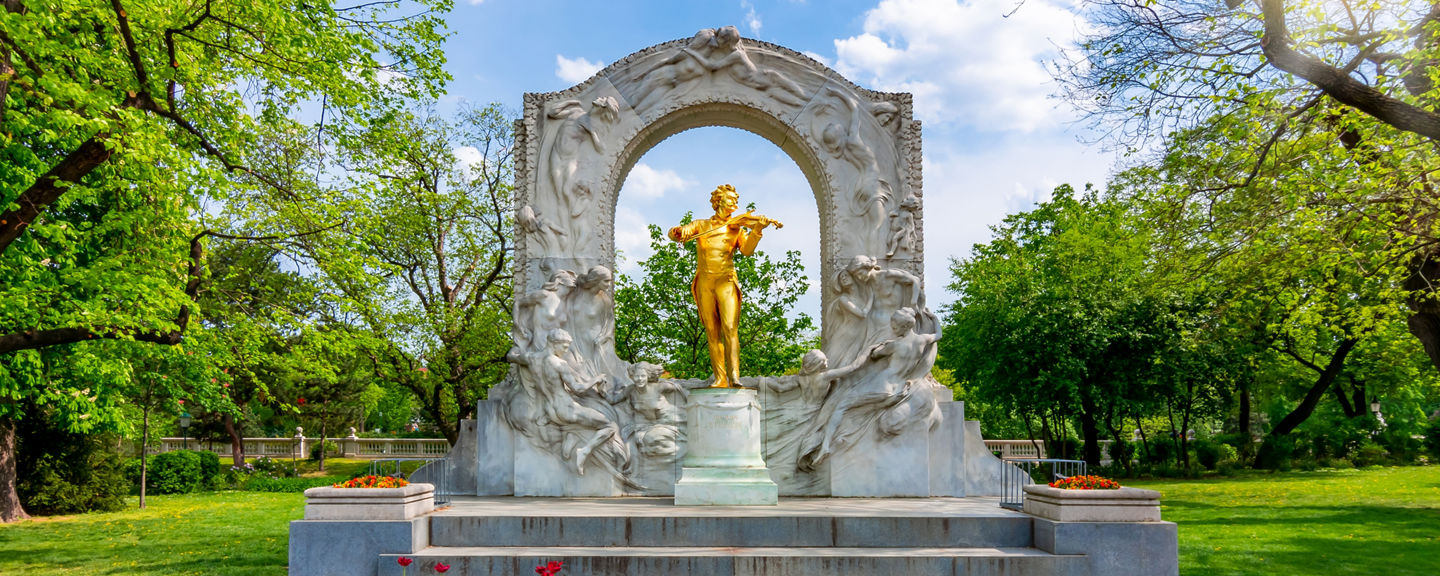
Vienna
Vienna, the capital of Austria, is situated in the northeastern corner of the country where the Danube River has carved a course between the Alps and the Carpathian Mountains. Most of the city sits on the right bank of the river. The city’s historic core (the Innere Stadt) is encircled by a grand boulevard known as the Ringstrasse, which replaced the original city walls.
Vienna has a generally temperate climate characterized by mild summers and cold winters. Throughout the year, the temperature averages above 50 °F (10 °C), and rainfall is relatively low, averaging 26 in (66 cm) per year. During the summer, a cooling breeze known as the Lüfterl often blows from the west and northwest.
In 1278, the monarch Rudolf I conquered the King of Bohemia in the decisive Battle of the Marchfield and took over the land that was to become Austria, marking the beginning of the Hapsburg rule over Austria. The Hapsburgs ruled for over 600 years, shaping Vienna’s identity in enduring ways. In 1529, the Ottomans laid siege to the city, but the defenders successfully repelled the attack. In 1558, the Hapsburg ruler Ferdinand I was proclaimed Holy Roman Emperor after his brother Charles V abdicated the throne. Vienna served as the administrative seat of the Holy Roman Empire until 1806, when it became the capital of the Austrian Empire. In 1918, the Hapsburg monarchy fell and a German-Austrian republic was proclaimed.
From 1938 to 1945, Austria became part of Adolf Hitler’s “Greater” Germany, and from 1945 to 1955, Vienna was occupied and divided into five zones—British, French, American and Soviet zones, plus an international area that covered the Innere Stadt. In 1955, the country regained its independence, and Vienna was restored as the capital.
Today, Vienna is considered one of Europe’s greatest cultural hubs, and the city’s historic character has endured. Here are some of the key destinations that you may see during a visit to Vienna:
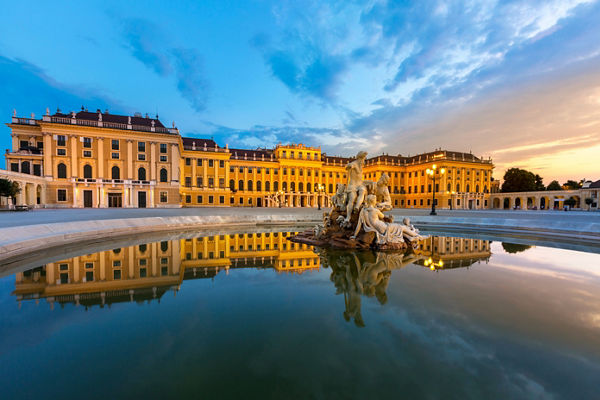
- Schönbrunn Palace—Purchased by the Emperor Maximilian II in 1569 as a hunting lodge, the original estate included a house, stables, a garden and a brook described as a schöner brunnen (fair spring), which gave the palace its name. Various Hapsburg rulers used it as a summer residence until Empress Maria Theresa enlarged the palace to its present form between 1740 and 1750.
- St. Stephen’s Cathedral—This towering cathedral, originally established in 1147, has become one of Vienna's most iconic landmarks. The colorful tiled roof is one of St. Stephen’s defining features, as is its 20-ton bell, made from captured Turkish cannons in the early 18th century. The cathedral’s catacombs house the remains of 11,000 individuals, including high-ranking historical figures.
- Hofburg Palace—Parts of this former Hapsburg palace date from the 13th century, and today, the complex comprises 18 wings and 2,600 rooms. The 18th-century Winter Riding School is now the performance space of the Spanish Riding School, and visitors can see the outdoor courtyard, tack room and historic stables of the Lipizzaner stallions as they learn about the heritage of one of Europe’s oldest horse breeds.
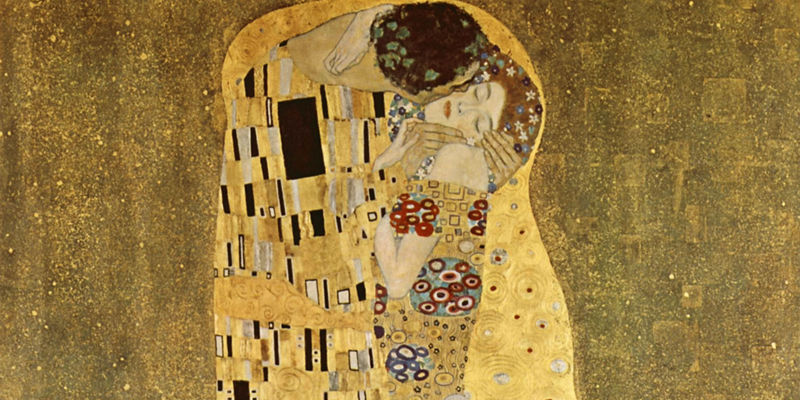
- Belvedere Palace—Comprised of two baroque palaces (now known as the Lower and Upper Belvedere), this renowned museum's collection features notable works by the symbolist painter Gustav Klimt—including The Kiss (1909). The holdings also include Expressionist masterpieces by Egon Schiele, Impressionist paintings by Claude Monet and sculptures by Auguste Rodin.
- Albertina—This stately former Hapsburg residence is now home to one of the world’s largest graphic arts collections. The birth of its astonishing treasures dates to the 1700s when Empress Maria Theresa and her husband, Holy Roman Emperor Francis I, gifted the residence to their daughter Duchess Maria Christina and son-in-law Duke Albert of Saxe-Teschen. Since then, the Albertina has grown significantly to include the works of notable artists—Vincent van Gogh, Caspar David Friedrich, Pablo Picasso and Andy Warhol, to name a few.
- Kunsthistorisches Museum (Museum of Fine Arts)—Vienna’s palatial Museum of Fine Arts was built to house the Hapsburgs’ carefully acquired art collection and was officially inaugurated in 1891. Today, the museum boasts an impressive selection of works by the Old Masters, including those of Pieter Bruegel the Elder; Egyptian, Near Eastern, Greek and Roman antiquities; Renaissance and baroque objets d’art; and more.
- The Prater and Wiener Riesenrad—Known as Vienna’s "green lung," the Prater is a public park featuring expansive meadows, tree-lined avenues and a famous amusement park. The Wiener Riesenrad, its historic 212-ft (64.6-m) Ferris wheel, was constructed in 1897 to celebrate the 50th anniversary of Emperor Franz Josef I’s ascension to the throne.
- Vienna State Opera—One of the world’s leading opera houses, the Vienna State Opera is especially known for its performances of works by Wolfgang Amadeus Mozart, Richard Strauss and Richard Wagner. Opened in 1869, the theater continues to host world-class performances. Visitors may also take guided architectural tours of this Neo-Renaissance masterpiece.

-
Famous Viennese cultural figures
Vienna has a long history as a renowned cultural center, stretching back to its days as the capital of the Austro-Hungarian Empire. As such, the city holds an important place in the lives of many of the world’s most beloved musicians, painters, actors and thinkers.
Musicians and composers:
Vienna was home to some of the most cherished classical composers of the 18th and 19th centuries. Wolfgang Amadeus Mozart spent his most creative years in Vienna, and Ludwig van Beethoven lived and worked in the city for decades. The compositions of Johann Strauss II, known as the “Waltz King,” form a cornerstone of Vienna’s nightly concert and ball culture. And Joseph Haydn was a key figure in the First Viennese School, which established the city’s enduring musical prestige. At the end of the 19th century, composer Arnold Schoenberg served as the de facto leader of a group of composers that became known as the Second Viennese School. Schoenberg’s many pupils included the modernist composers Anton Webern and Alban Berg. As a group, they were known for their atonal and expressive compositions.Artists:
Gustav Klimt was born on the outskirts of the city in 1862 and attended the Vienna School of Arts and Crafts from age 14. In 1890, Klimt joined the Vienna Artists’ Association and began experimenting with his distinctive symbolist style. Today, visitors can explore Belvedere Palace, home to some of Klimt’s most famous works, including The Kiss. Koloman Moser, Klimt’s contemporary, is known for his considerable influence on graphic art.Actors and directors:
Born in Vienna in 1913, Hedy Lamarr first came to international prominence as the star of Ecstasy (1933). She then starred in a string of hits during the 1930s and 1940s, such as Boom Town, where she played opposite Clark Gable and Spencer Tracy. Vienna native Fritz Lang gained international acclaim by directing films like Metropolis, released in 1927, and 1931’s M before moving to Hollywood in 1936 to work for MGM.Scientists and physicians:
Sigmund Freud, the founder of psychoanalysis, revolutionized modern thought from his home and office in Vienna. The city is also known as the birthplace of Erwin Schrödinger, winner of the 1933 Nobel Prize in Physics. -
Sachertorte
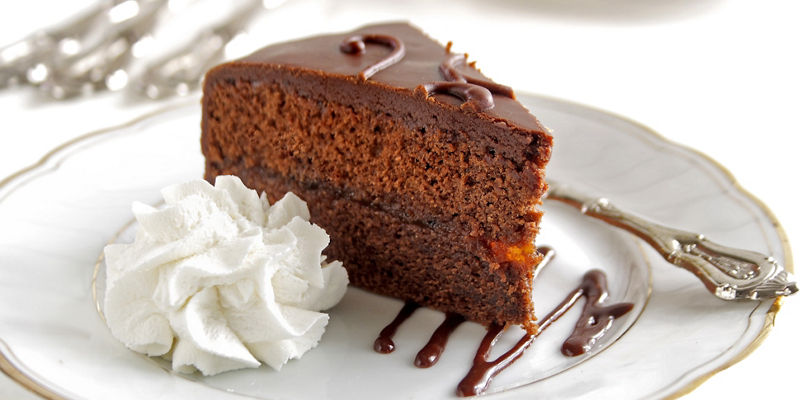
The rich chocolate Sachertorte cake was invented in 1832 by Austrian Franz Sacher. Only 16 years old at the time, Sacher concocted the recipe while working as an apprentice at the court of Prince Klemens von Metternich in Vienna.
According to legend, the gastronomically adventurous prince ordered his kitchen staff to create a new cake for a visiting guest, but the head cook had taken ill and was not on the premises that day. It fell to the budding chef to invent a recipe using only the ingredients he had on hand—much to the delight and amazement of the prince.
Forty-four years later, in 1876, Franz’s son Eduard opened a luxury hotel in the heart of the city featuring his father’s creation as the signature menu item. Both the dish and the hotel bore the family name of Sacher. Under the watchful eye of Anna Sacher, Eduard’s trailblazing, cigar-smoking wife, the Hotel Sacher grew to become an Austrian institution and one of the finest hotels in the world, serving as the premier meeting place for diplomats and members of the aristocracy.
Today, versions of Sachertorte can be found in cafés throughout the city. Although the original recipe remains a closely guarded secret, all versions consist of a chocolate cake thinly coated with top-quality apricot jam. The cake is then topped with chocolate icing and served with unsweetened whipped cream.
-
The Vienna Boys' Choir
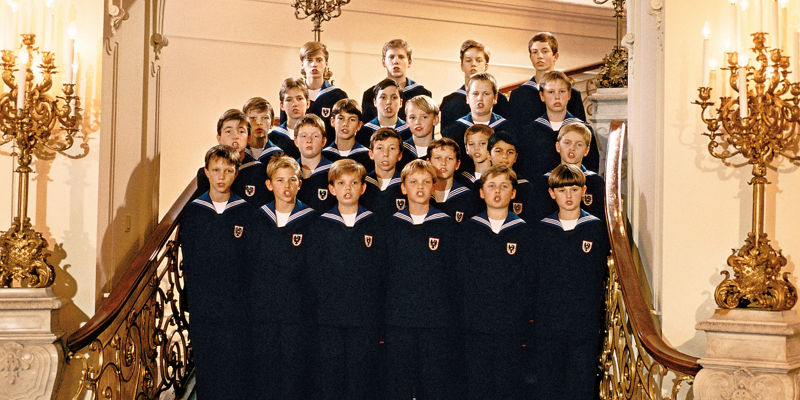
With their angelic voices and traditional blue-and-white sailors’ uniforms, the Vienna Boys’ Choir is perhaps the best-known choral group in the world—and an iconic part of Austrian culture. The choir was founded in 1498 by the Hapsburg emperor Maximilian I to provide musical accompaniment to the church mass. But the tradition predated its formal establishment by centuries, given that boys have been singing at Vienna’s Imperial Chapel since 1296.
The choir consists of 100 male sopranos and altos between the ages of nine and fourteen. They are divided into four touring choirs named after the Austrian composers Bruckner, Haydn, Mozart and Schubert. The boys spend nine to eleven weeks of the academic year on tour, giving about 300 concerts around the world. When not touring, they reside at Vienna’s Palais Augarten, a boarding school that provides members with a solid academic education in addition to their musical training.
Choir members are also actively engaged in philanthropy, hosting programs and clinics for children with little or no access to music education. Recently, this has included refugees from Jordan, Greece and beyond. And while the choir is an integral part of Vienna’s unique musical heritage, its members and instructors hail from more than 100 countries all over the world.
Vienna Highlights
A journey to Vienna offers the opportunity to discover magnificent landmarks, art and music. Here are some highlights you may experience during your time in this historic city:
- Tour Schönbrunn Palace, the stunning home of the Hapsburgs
- Enjoy a musical performance by the Vienna Residence Orchestra
- Explore nature along the Danube River during a scenic e-bike ride
- Attend a spirited dinner at a heurigen, an authentic wine tavern
- Take in elegant architecture along the famed Ringstrasse
- Indulge in a Viennese pastry at a local coffeehouse
- Step backstage at the elegant Spanish Riding School
- See the towering St. Stephen’s Cathedral
- Admire panoramic views from the city’s historic Ferris wheel
- Peruse masterpieces at the Kunsthistorisches Museum
- Visit Mozarthaus, the residence of the famous composer
- Learn the steps of the Viennese waltz from an expert instructor
Destination Insight Videos

Alma Deutscher Performs in Vienna (2:51)
Once the home of Strauss and Mozart, Vienna is renowned as the music capital of Europe. Now, guests who join us in this elegant city have the chance to enjoy an exclusive performance featuring Alma Deutscher, a young musical prodigy who will conduct classic pieces from great composers—including a few, destined-to-become-classics, of her own. View sailing dates for Viking river cruises during which you may attend Alma Deutscher’s performances in Vienna by visiting almadeutscher.com/viking-dates.

Explore Vienna’s Kunsthistorisches Museum with art historian Daniel Uchtmann (30:36)
Peer into one of Europe’s most impressive art collections during a tour of the Kunsthistorisches Museum with art historian Daniel Uchtmann, who serves as the museum’s research associate in the field of education. Located in Vienna, the museum features a wide range of magnificent treasures accumulated by Austria’s ruling Hapsburg dynasty, including famous paintings, exquisite decorative art pieces and important works of sculpture. Deepen your understanding of the museum’s significant works while following Daniel through its richly ornate interiors.

Meet the Vienna Residence Orchestra (1:22:30)
Go behind the scenes of the Vienna Residence Orchestra and hear from its talented musicians during a special program hosted by the orchestra’s cofounder, Sylvia Moser. Performing the music of Mozart and Strauss in historic buildings and opulent palaces throughout Vienna, the orchestra allows guests to experience live classical music in an authentic setting. Explore the history of this engaging ensemble and listen to short musical pieces you can experience in person when you join us on a river voyage to Vienna.

Return to Vienna’s Kunsthistorisches Museum with art educator Lara Bellenghi (25:06)
Join us for another visit to the Kunsthistorisches Museum, home to one of Europe’s most impressive art collections, where we are led on an informative tour by Lara Bellenghi, a member of the museum’s education department. Located in Vienna, the museum features a wide range of magnificent treasures accumulated by Austria’s ruling Hapsburg dynasty, including famous paintings, exquisite decorative art pieces and important works of sculpture. Follow Lara as she showcases several masterworks from the collection and learn more about the museum’s history as she engages in a question and answer session.
Vienna Travel FAQ
All-Inclusive Itineraries—Vienna
Choose one of our enriching, all-inclusive voyages and discover the many benefits of exploring in Viking comfort.