

Experience the magic of Europe's Christmas markets
Delve into the captivating history, festive traditions and comforting cuisine that await you on a holiday river voyage through the heart of Europe. From local handicrafts to soaring carols, a wintertime journey offers a variety of delights for curious travelers. Read on to learn more about a popular seasonal snack, explore the legend of Santa Claus and discover the origins of some beloved Christmas customs.
Christmas Markets
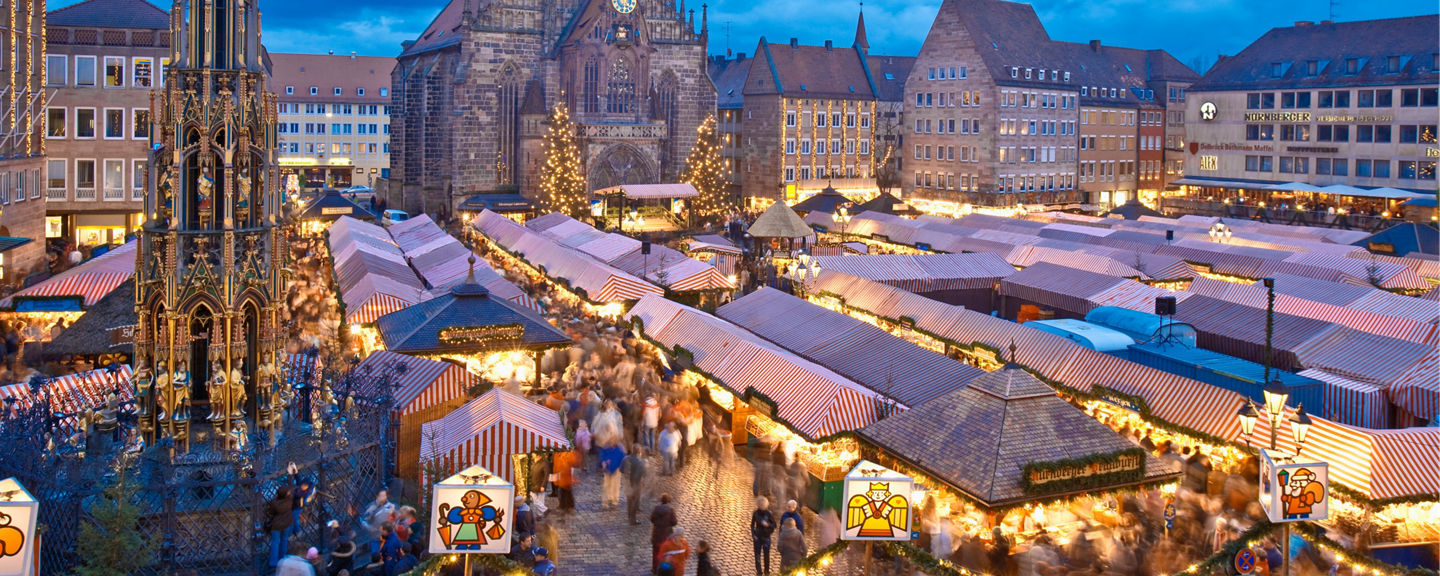
Among Europe’s many holiday traditions, few are as beloved as the annual appearance of its festive Christmas markets. Replete with cozy stalls selling handmade crafts, delicious regional treats and authentic holiday decorations, each one of these charming markets boasts its own heritage and character. With a history spanning centuries, this treasured custom continues to stand the test of time.
Though forerunners of today’s European Christmas markets began during the Middle Ages, Dresden’s Striezelmarkt is the oldest. Originally held for one day only—December 23, 1434—this open-air event was authorized by Frederick II, Elector of Saxony, “for communal benefit and in the best interests of our city of Dresden.” Initially, the Striezelmarkt was a meat market, held so that the people of Dresden would have a wide selection of fresh food for the upcoming yuletide festivities. It proved so successful that it became an annual tradition. Over time, additional goods were introduced, and beginning in the early 1500s, the market’s duration was expanded to encompass the Monday before Christmas through December 24. While the location of the Striezelmarkt has changed many times over the centuries, today it is held in the same place as the original 1434 meat market: Dresden’s Altmarkt square.
Other Christmas markets began to spring up in the years following the introduction of the Striezelmarkt, but they truly flourished across the continent during the 16th century. Martin Luther, founder of the Protestant Reformation, claimed that seasonal gifts were best given on Christmas Eve rather than on days honoring other saints, as had been the custom. Soon thereafter, Christmas markets grew in popularity, and local vendors began to see them as convenient sites for selling their wares. These markets also appealed to busy townspeople, who appreciated that they could procure everything they needed for Christmas in one convenient location.
Today, Europe’s Christmas markets continue to enchant locals and visitors, bringing the season alive with festive charm. In addition to Dresden’s historic Striezelmarkt, here are several other notable markets that you may wish to explore:
- Strasbourg's Christkindelsmärik
This historic Christmas market is the oldest in France, dating back to 1570. Be sure to try savory knacks (sausages) and sweet pain d’épices (gingerbread). - Vienna’s Schönbrunn Christmas Market
Held in front of the magnificent Hapsburg summer palace, this market boasts dozens of stalls displaying traditional crafts and unique gifts. You can also take a guided tour of the grand residence, adorned with holiday decorations. - Nuremberg’s Christkindlesmarkt
Wander through one of the oldest Christmas markets in the world as you explore the heart of this medieval city. Here, you may wish to sample lebkuchen, a traditional German spiced cookie with warm, nutty flavors. - Breisach’s Weinachtsmarkt
Sip aromatic glühwein and keep warm as you browse market stalls for gifts and handicrafts. Nearby, the towering, snow-covered spruce trees of Germany's Black Forest resemble a winter wonderland. - Budapest’s Advent Basilika Market
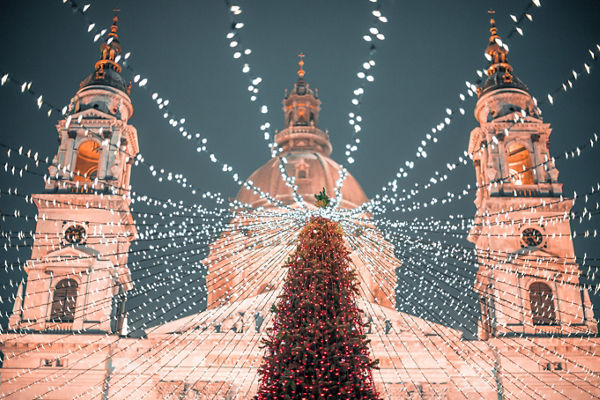
Set against the backdrop of the impressive St. Stephen’s Basilica and an ice rink full of graceful skaters, this lively market offers delicious Hungarian chimney cakes and hearty bowls of paprika-infused goulash. - Prague’s Old Town Square Christmas Market
Explore Prague’s Old Town, a captivating blend of architectural styles and a UNESCO World Heritage Site. Browse Bohemian tree ornaments while enjoying a warm cup of svařák, the Czech version of mulled wine.

-
Christmas trees & ornaments
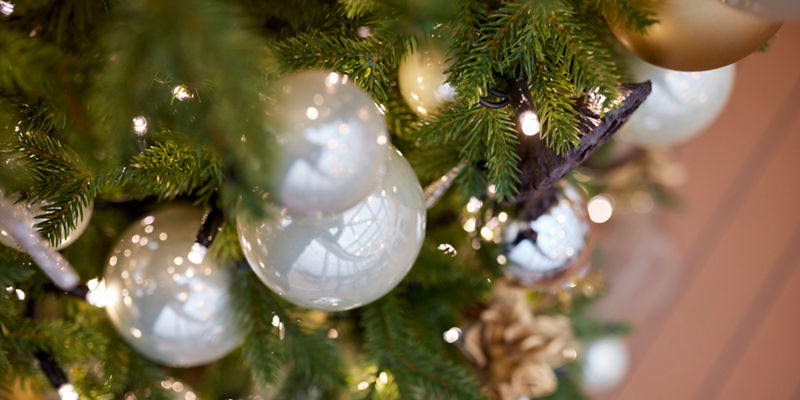
The first Christmas tree is believed to have been erected in Freiburg, Germany in 1419 and was decorated with sweets and nuts. By the 16th century, German church plays often featured evergreen trees festooned with nuts, berries, apples and candles. This tradition soon spread to homes throughout Germany and across Europe. In the United States, German immigrants continued this custom, adorning their trees with popcorn, paper and metal foil alongside the usual trimmings.
Historically, Christians trimmed trees into triangles to represent the Trinity—referring to the Father, Son and Holy Ghost as one being. Pruning was part of the preparation process, and instead of wasting the trimmed branches, Europeans wove them into wreaths, which were originally used as Christmas tree ornaments.
During the latter half of the 16th century, the first known hand-blown glass ornaments, called baubles, were produced in Lauscha, Germany. Although these gained popularity during the 1800s, they were not seen as a commercially viable commodity until 1848, when an engraving was published featuring Queen Victoria and her German husband, Prince Albert, decorating a Christmas tree.
In response, American entrepreneur Frank Winfield Woolworth began importing lead and glass baubles from Germany to sell in his eponymous department stores. These ornaments became a massive hit, and over the ensuing decades they were mass-produced in regions such as Japan and Eastern Europe. Today, these decorations are an integral part of Christmas celebrations across the globe.
-
Jolly Old St. Nick
The idea of Santa Claus is rooted in the legend of St. Nicholas, a bishop believed to have been born in the 3rd century AD in present-day Turkey. Stories abound of his generosity, and over time he became widely revered across Europe for his kindness toward children.
The 16th-century Protestant Reformation tempered this veneration by discouraging followers from honoring saints. However, St. Nicholas continued to be celebrated in the Netherlands. Here, the Dutch version of his name (Sint Nikolaas) was eventually shortened to “Sinter Klaas,” which was later Anglicized to “Santa Claus.”
Elsewhere in Europe, darker tales emerged of threatening figures dressed in shaggy furs. While St. Nicholas delivered presents to well-behaved children, these ominous beings doled out punishment to those who were disobedient.
Beginning in the early 19th century, American authors began writing about Sinter Klaas. They described him as wearing furry clothing, but this version of the figure had a far more congenial disposition. By the end of the century, the modern image of Santa Claus had taken shape. This version gradually replaced the more traditional, frightening icons in Europe—a kind of “reverse migration” of the legend.
Today, the story of Santa Claus continues to delight children of all ages across the world.
-
Roasted chestnuts
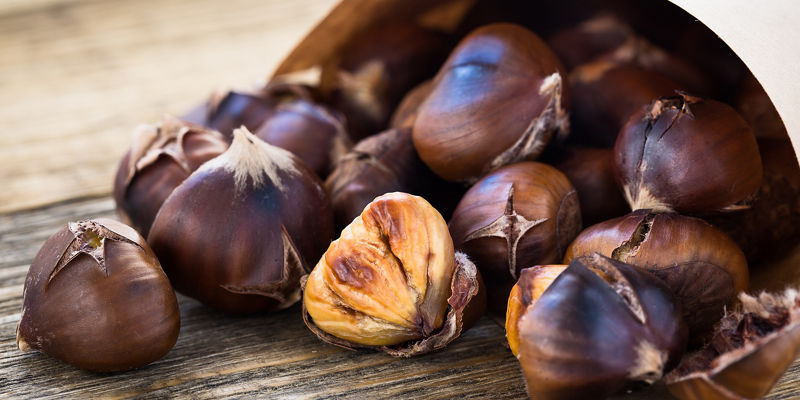
For centuries, roasted chestnuts have held a special place in European Christmas traditions, particularly in countries like Italy, France and Germany. The practice of roasting chestnuts dates to ancient times when they were a vital source of sustenance during the winter months. Today, this humble yet heartwarming treat symbolizes warmth, comfort and the joy of sharing simple pleasures with loved ones.
Chestnuts were once a staple food for many European communities, especially during the winter months when other food sources were scarce. Their association with the Feast of Saint Martin, celebrated on November 11, further cemented their place in European holiday traditions. St. Martin of Tours is best known for a story in which he cut his cloak in half to share with a less fortunate individual during a cold winter. Handing out chestnuts became a charitable activity during the feast, offering essential nutrients to those in need.
With a water content of 50-60 percent, chestnuts are ideal for roasting since they become soft and chewy when cooked. Roasting them over an open flame imparts a sweet, smoky flavor that is both comforting and delicious.
In Italy, street vendors known as caldarroste set up their stalls in bustling piazzas, offering paper cones filled with piping hot chestnuts. Italians often enjoy them with a glass of vin brulé, or mulled wine, creating a perfect pairing for chilly winter evenings.
France also embraces the tradition of roasted chestnuts during the holiday season. In cities like Paris and Lyon, the scent of chestnuts roasting on street corners is a familiar and cherished part of the festive atmosphere. At home, French families gather around the fireplace, roasting chestnuts and sharing stories. A sprinkle of sea salt enhances their natural sweetness and adds a delightful crunch.
Roasted chestnuts are also a highlight of Germany’s renowned Christmas markets. From Nuremberg’s famed Christkindlesmarkt to Europe’s oldest yuletide market in Dresden, visitors can enjoy the warm, nutty flavor of chestnuts while strolling through stalls adorned with twinkling lights and hand-crafted items. The chestnuts are typically served in small paper bags, making them a convenient and satisfying snack to enjoy while exploring the market.

Christmas Markets Highlights
Known for their twinkling decor, charming handicrafts and delicious food, Europe’s storied Christmas markets offer visitors the opportunity to engage with vibrant cultural traditions. Here are some of the enchanting sights and activities you may experience on a wintertime voyage:
- Browse stalls at Strasbourg’s historic Christkindelsmärik
- See grand window displays along the Champs Élyseés in Paris
- Sail through Normandy’s picturesque countryside in winter
- Explore Vienna’s Schönbrunn Palace, decorated for the season
- Sample local beers at a Bavarian Christmas party
- Attend an organ performance in medieval Freiburg
- Discover the world’s oldest Christmas market in Dresden
- Visit Cologne Cathedral, a UNESCO World Heritage Site
- Revel in the merry atmosphere of Prague’s Old Tow
- Watch skaters on Budapest’s magnificent outdoor ice rink
Destination Insight Videos

Immerse yourself in the magic of the holiday season in Amsterdam and Cologne (29:54)
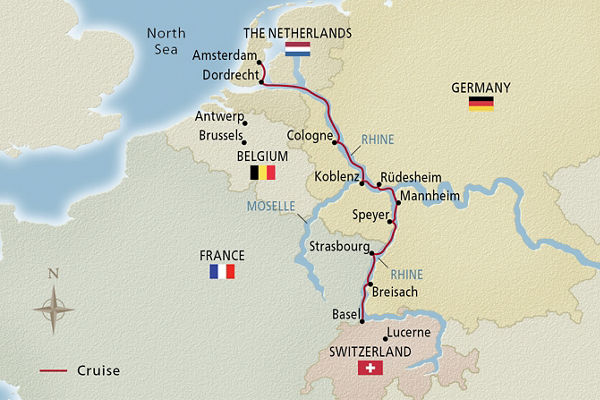
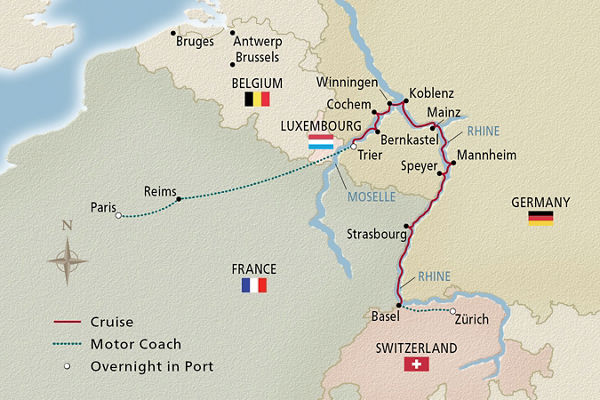
Join our Ambassador-at-Large Jean Newman Glock, as she visits two festive ports on our 8-day Christmas on the Rhine journey. First, in Amsterdam, Jean takes a glass-topped boat for a leisurely ride along the city’s charming canals and savors some traditional Dutch cuisine at De Blauwe Hollander, a beloved restaurant located on the lively Southern Canal Ring. Next, Jean boards the Viking Eir to sail on to Düsseldorf, where she will toast to the yuletide season with a hot cup of mulled wine known as glühwein. Lastly, watch Jean make her way to Cologne, where the city’s iconic Gothic cathedral provides a stunning backdrop for one of the largest Christmas markets in Europe. Jean also browses the colorful market stalls for handmade gifts and special keepsakes.

Find festive cheer in the Alsatian city of Strasbourg (30:15)
Follow along as Jean continues her voyage in France, where she sails to the country’s capital of Christmas, Strasbourg. A winter wonderland awaits you within the city’s Christkindelsmärik, which is not only the oldest Christmas market in France, dating back to 1570, but also one of the oldest in Europe. Walk with Jean as she explores the many colorful market stalls brimming with Alsatian specialties and unique handcrafted wares.

Christmas Markets (3:09)
Witness the beauty, romance and spirit of the holidays come alive at Europe’s colorful Christmas markets when you join Viking on a festive river cruise during November or December.


Christmas Markets Travel FAQ
All-Inclusive Itineraries—Christmas Markets
Choose one of our enriching, all-inclusive voyages and discover the many benefits of exploring in Viking comfort.